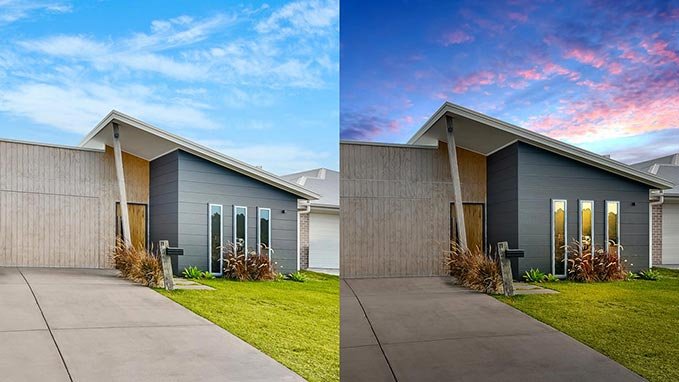
In the world of real estate photography, visuals can make or break a buyer’s first impression. One of the most powerful techniques that has revolutionized property marketing is day-to-night photo editing. This process transforms bright, daylight photos into beautiful twilight images that highlight the property’s features in a warm, inviting glow. Done correctly, it can turn a simple image into a stunning masterpiece that draws viewers in and creates an emotional connection. But achieving realistic results requires more than just adjusting brightness or color; it’s about mastering subtlety, balance, and precision.
The Importance of Realism in Day to Dusk Conversions
While twilight images are captivating, the main goal is to keep them believable. Over-editing or using artificial-looking effects can make photos appear fake, which defeats the purpose. Realistic day-to-dusk photo editing maintains the integrity of the original image while enhancing it with gentle lighting transitions and natural tones. Buyers should feel that the photo represents the actual property, just at a more appealing time of day. That sense of authenticity builds trust and makes listings stand out in competitive real estate markets.
Mastering Day to Dusk Photo Editing Techniques for Natural Results
To get the most realistic results, start with a well-exposed daytime photo. The foundation of successful day-to-day editing lies in the quality of the original image. Proper composition, minimal shadows, and clear sky details make the transformation smoother and more natural. The next step involves carefully adjusting the color temperature and exposure to simulate the warm hues of sunset.
Editing professionals often use gradient overlays to blend sky tones seamlessly, creating that soft transition from deep blue to orange or purple. Replacing the sky with a twilight version is another essential step, but it must match the original lighting direction and intensity. When done incorrectly, mismatched lighting can make the scene look unnatural. Therefore, attention to reflections on windows, surfaces, and even small lighting details is crucial for consistency.
Adding glow to windows, outdoor lamps, and landscape lights enhances realism. This effect simulates the warm indoor lighting typically visible at dusk. However, moderation is key; overly bright or saturated lighting can look artificial. The goal is to subtly emphasize depth and ambiance without overwhelming the viewer’s eye. Shadows should also be adjusted accordingly to match the new light source direction, completing the illusion of an authentic evening scene.
Balancing Light, Color, and Shadow for True-to-Life Results
Achieving perfect balance is the secret to believable day-to-dusk photos. Light and shadow should harmonize naturally, while color tones remain consistent throughout the image. Always maintain a slight contrast between the sky and building elements, as this enhances depth and realism. Using layer masks and blending modes helps fine-tune these areas without compromising the overall composition.
Professional editors often employ selective color grading, enhancing warmer tones on the building while cooling down the background slightly. This combination draws the viewer’s focus to the property and mimics the serene lighting conditions of twilight. Reflections on glass windows and pools should mirror the dusk sky for added authenticity. Subtle details like adjusting white balance, desaturating overly bright elements, and fine-tuning highlights make a huge difference in achieving professional-grade results.
Common Mistakes to Avoid in Day-to-Dusk Editing
Even experienced editors can make errors that reduce the realism of their work. The most common mistakes include using overly vivid skies, mismatched shadows, or unrealistic lighting glows. Avoid using stock twilight skies that do not complement the building’s perspective or tone. Inconsistent lighting direction is another red flag that instantly signals poor editing.
Another pitfall is neglecting reflections. Windows, pools, or shiny surfaces should always reflect the dusk sky and nearby lighting sources. Forgetting this small detail can make the photo look flat or incomplete. Finally, over-saturation or high contrast can lead to cartoon-like images rather than realistic ones. Aim for balance, soft lighting, smooth color transitions, and believable tones.
Why Real Estate Professionals Prefer Twilight Conversions
Day-to-dusk photo editing has become a staple in real estate marketing because it adds drama and emotional appeal. Properties appear more luxurious and welcoming, which attracts potential buyers faster. Twilight photos stand out in online listings and social media feeds, increasing engagement and view rates. For agents, this means faster sales and stronger client impressions.
In addition, shooting actual twilight photos can be time-consuming and weather-dependent. With day-to-dusk editing, photographers and realtors can achieve the same effect with much greater flexibility and efficiency. It allows them to showcase properties in their best light, literally and figuratively, without waiting for the perfect sunset.
Conclusion
Realistic day-to-dusk photo editing is an art that combines technical skill and creative vision. When executed properly, it transforms ordinary property photos into eye-catching visuals that evoke warmth, comfort, and elegance. The key lies in maintaining authenticity through balanced lighting, accurate color tones, and natural shadows.
Whether you’re a real estate photographer or marketing professional, investing in professional day-to-dusk editing services can elevate your listings and help you stand out in the competitive property market. With attention to detail and a focus on realism, you can create stunning images that captivate potential buyers from the very first glance.